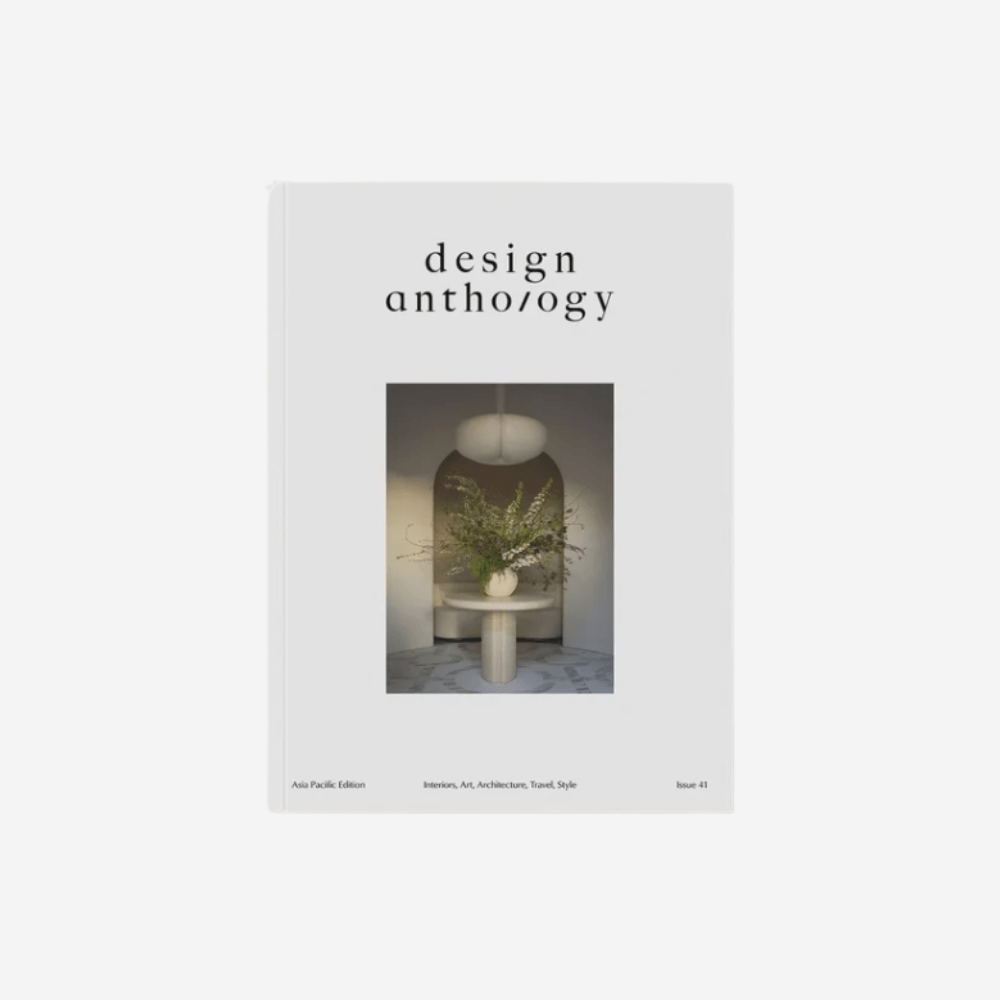
This issue is rooted in the idea of permanence. Edited across multiple cities by editors-in-chief Simone Schultz and Jeremy Smart.





Design Anthology, Issue 41
28.00 €
This issue is rooted in the idea of permanence. Edited across multiple cities by editors-in-chief Simone Schultz and Jeremy Smart, it explores design for an uncertain world, with homes, spaces and objects built from concrete, steel and stone, yet shaped with care and a sense of softness. We explore what it means to build with both weight and warmth, from Tadao Ando’s new Naoshima museum to grounded residences in Tokyo, Hong Kong, Singapore and Perth, and a special section on Indonesia’s creative spirit.
From the editors
Despite editing this issue from different cities, and often while on the move, the two of us kept returning to the same ideas and were consistently drawn to stories and spaces imbued with a sense of weight and permanence. We found ourselves gravitating towards concrete, cement or steel, materials typically associated with safety and security, sometimes even fortification or isolation. And yet it was the materials’ honesty and tactility that appealed: grounded homes, furniture with heft and buildings that anchor their surroundings.
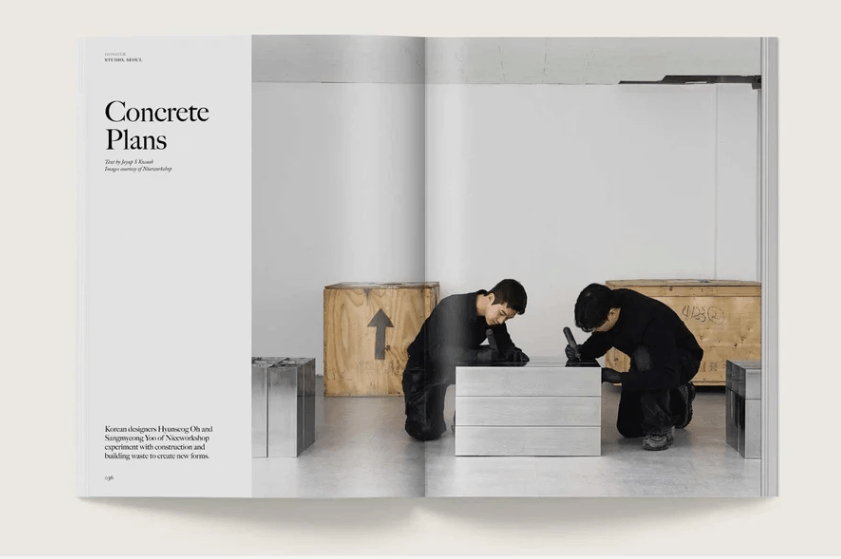
You’ll see it in homes in Singapore, Tokyo, Perth and Hong Kong, and in Tadao Ando’s new Naoshima museum, its vast volumes chiselled into the hillside. In Seoul, Niceworkshop’s industrial forms carry a lightness despite their construction site origins. Perhaps, though, it’s not just the materials, but how they’re handled: with intention, restraint and even with tenderness in the hands of thoughtful designers.
We’ve been thinking a lot about why we’re drawn to these things. Perhaps it’s uncertainty in a rapidly changing world that pushes us towards materials that feel immovable. Or maybe it’s that many designers are showing us that tactility and warmth need not be limited to a gentle palette. This tension — between permanence and softness, coldness and care — feels especially resonant at this particular moment.
Which brings us to Indonesia, and its moment. Rather than producing an annual country special as we’ve done in years past, for the first time we’ve created a special integrated section dedicated to one country — this time celebrating this richly layered nation. From architecture and interiors to art and contemporary craft, what emerges is a country redefining its creative identity while honouring its heritage and traditions.
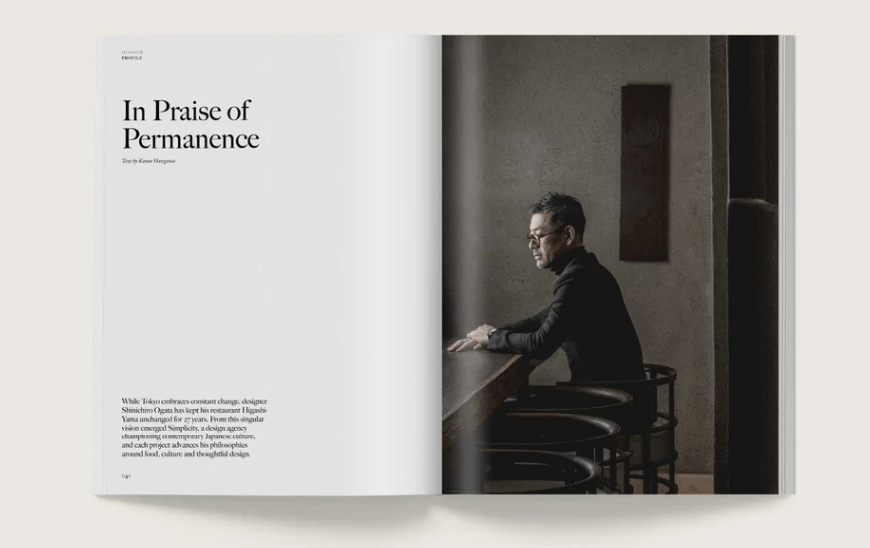
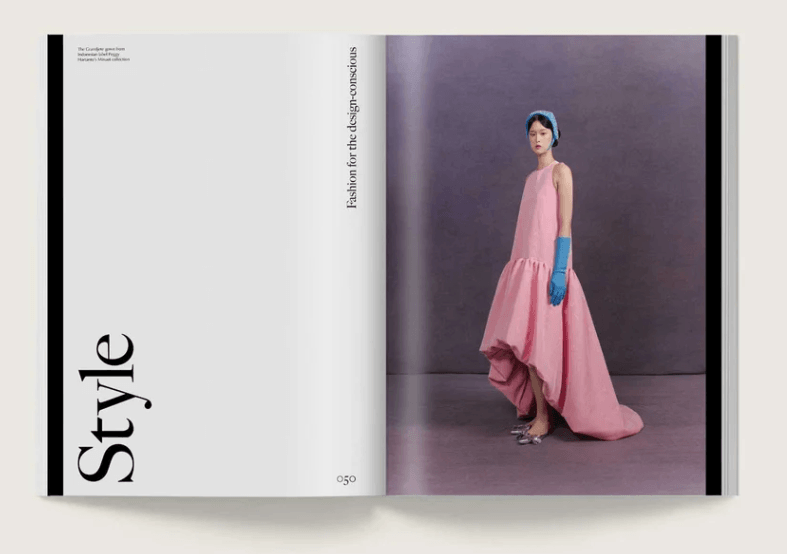
Elsewhere in this issue, we profile those who are similarly bridging past, present and future, like Shinichiro Ogata, whose work translates Japanese customs into a modern design language, and Vietnamese fashion label Kaarem, whose garments are their own quiet act of care. In Melbourne, Other Matter is pioneering a bio-based plastic, while the Himachal Pradesh resort Amaya blends gently into its mountain surrounds. And across Asia Pacific, a new generation of art spaces is redefining the cultural landscape, engaging not just with artworks, but with place, architecture and material. We close the issue with a visit to Hobart, a city that’s scaled for humans and surprisingly rich with wildlife; proof that cities, too, can and should feel solid and sensitive at once.
Quote for: Design Anthology, Issue 41
If you need additional product information, fill out the form. We will reply as soon as possible.
You may also like…
Kinfolk Journeys
55.00 €

Kinfolk Entrepreneur
48.00 €

The Kinfolk Home
52.00 €
Updating…